31 March – Transgender Day of Visibility
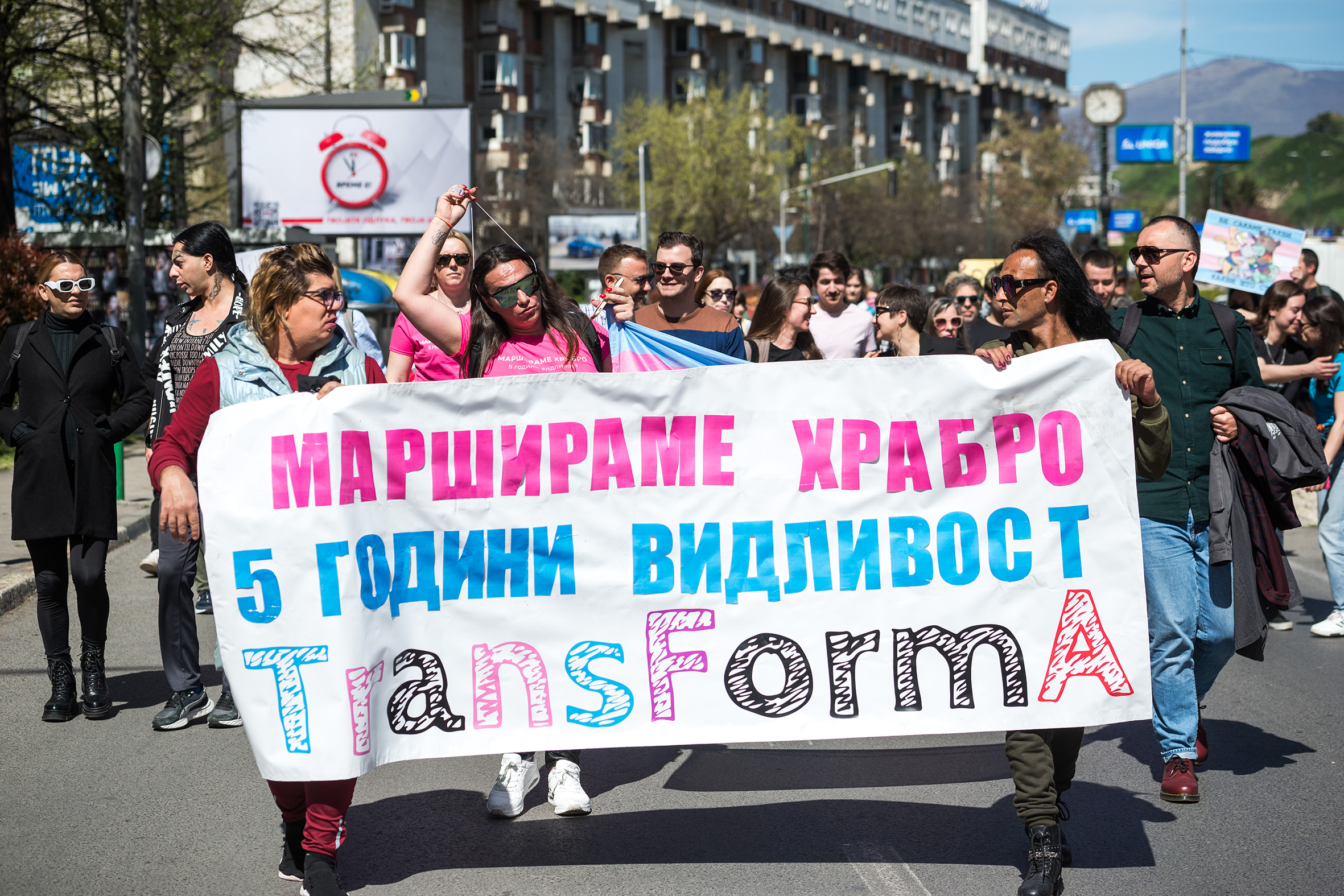
March 31 marks the International Transgender Day of Visibility (TDOV), a day dedicated to recognizing the existence, dignity, and contributions of transgender people around the world. The day was initiated in 2009 by transgender activist Rachel Crandall Crocker, as a response to the lack of visibility and recognition of trans people, aiming to create space that is not focused only on loss, but also on the lives and realities of the trans community.
Visibility is not only symbolic – it is a political act. To be visible in a society that often denies, ignores, or attacks trans lives means demanding recognition, safety, and equality.
Here as well, the trans community has been fighting for more than a decade for basic human rights, including legal gender recognition, access to healthcare, and protection from discrimination and violence. However, institutions still fail to fully respect the rights of transgender people. Despite a ruling by the European Court of Human Rights, for more than 7 years the state has not established a clear, accessible, and dignified procedure for legal gender recognition.
At the same time, trans people are part of this society and contribute to it every day – in arts and culture, activism, education, care, community-building, and social change. Our existence is not only about struggle – it is also about creation, support, and contribution.
As part of this ongoing struggle and visibility, 6 Marches for Trans Visibility have been organized over the years, representing key moments of collective presence in public space, demanding rights and building solidarity.
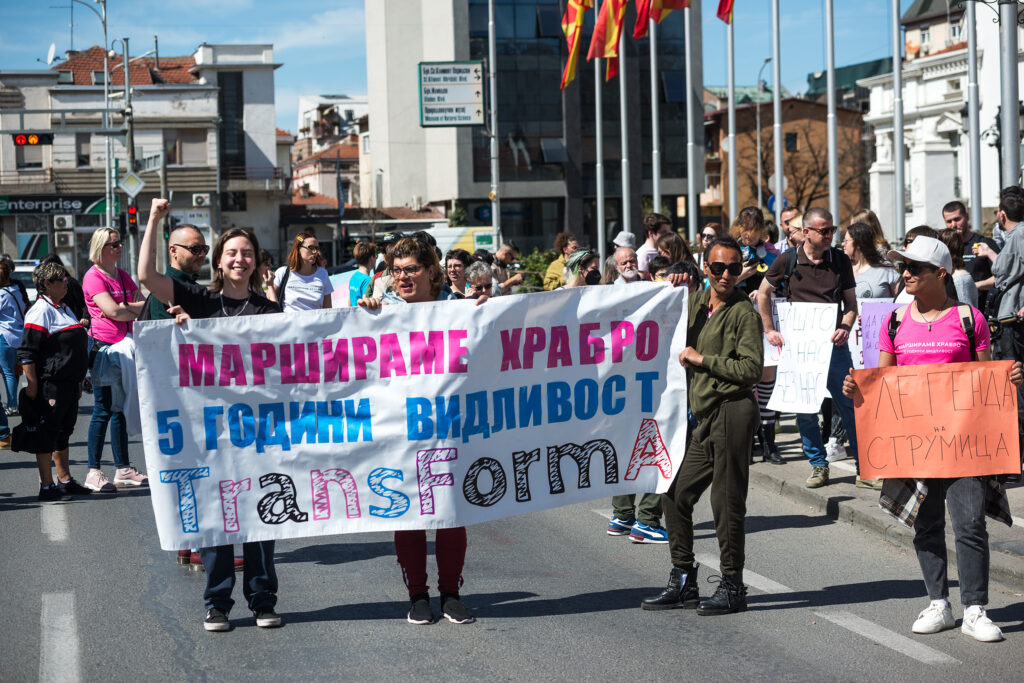
However, visibility does not begin and end with one day or one march. It is built every day – through care, support, advocacy, and the creation of safer spaces.
Today, on March 31, we mark trans visibility and remind we are part of this society.